Win Free Meds
Track Your Points
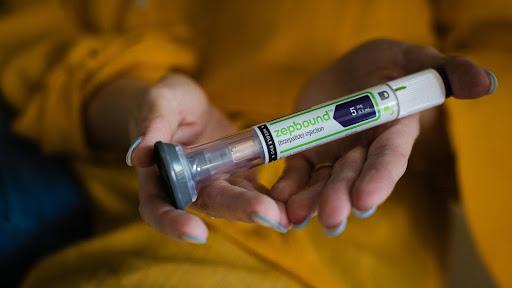
This blog compares Zepbound and Wegovy, two popular weight loss treatments. It covers their effectiveness, ingredients, side effects, dosage, and costs. Learn how they work, their differences, and which might be the best option for your weight loss journey. Get expert insights to make an informed, healthier choice.
In the ever-growing landscape of weight loss treatments, two newer medications have emerged as major options for people struggling with obesity: Zepbound and Wegovy.
Both have attracted a lot of attention because of the impressive weight loss seen in clinical trials. But how do they actually compare in real life? What are the differences between Zepbound and Wegovy, and which one might be the better fit for you?
This article is for educational purposes only and is not medical advice. Always talk to your own licensed healthcare provider before starting, stopping, or switching any prescription medication.
In this guide, we’ll walk through how Zepbound and Wegovy work, their effectiveness, potential side effects, cost considerations, and how telehealth services like FancyMeds can fit into the picture.
Before diving into a comparison, it’s helpful to understand what each medication is and how it’s used.
Zepbound contains tirzepatide, a dual GIP and GLP-1 receptor agonist. It’s a prescription medication approved for chronic weight management in adults with:
and it is meant to be used along with a reduced-calorie diet and increased physical activity.
Tirzepatide activates receptors for two hormones, GIP and GLP-1, which are involved in:
By working on both pathways, Zepbound can help reduce hunger, increase feelings of fullness, and support significant weight loss for many people when used as prescribed.
Wegovy contains semaglutide, a GLP-1 receptor agonist. It is also approved for chronic weight management in adults with:
again, in combination with a reduced-calorie diet and increased physical activity.
Semaglutide mimics the GLP-1 hormone, which helps:
Wegovy has been widely studied and is now one of the most commonly prescribed GLP-1–based medications for obesity.
Both medications are once-weekly injections, prescribed and monitored by a healthcare professional.
While both medications help with weight loss and share similarities, they are not the same drug, and they don’t work in exactly the same way.
Zepbound (tirzepatide) activates two hormone pathways:
By targeting both receptors, tirzepatide can:
This “dual-agonist” approach is one reason Zepbound has shown very high levels of weight loss in clinical trials when used with lifestyle changes.
Wegovy (semaglutide) focuses on one pathway:
By activating GLP-1 receptors, Wegovy can:
While Wegovy works through a single hormone pathway instead of two, it has still produced large and clinically meaningful weight loss for many patients in studies and real-world use.
Both Zepbound and Wegovy have shown substantial weight loss in clinical trials when used with diet and exercise. That said, the numbers come from controlled studies and represent averages, not promises.
In clinical trials of adults with obesity or overweight without diabetes, and with lifestyle intervention:
These results make Zepbound one of the most potent prescription options available for chronic weight management when used under medical supervision.
In the STEP trials studying Wegovy for chronic weight management in adults with obesity or overweight and at least one weight-related condition:
Wegovy has consistently shown meaningful and sustained weight loss across multiple patient groups when people stay on therapy and maintain lifestyle changes.
More recent data from head-to-head research suggests that Zepbound (tirzepatide) may produce greater average weight loss than Wegovy (semaglutide) in some study populations. However:
In real life, results vary widely. Factors like adherence, side effects, diet, activity level, and other health conditions all matter.
Both medications share similar gastrointestinal side effects and carry some important warnings and precautions.
For both Zepbound and Wegovy, common side effects can include:
These symptoms are often mild to moderate and tend to be more noticeable:
Many people find that these effects lessen over time as their body adjusts, especially with a gradual dose escalation schedule. However, in some cases, they can be more severe and may lead to stopping the medication.
Both drugs can also be associated with less common but more serious risks, such as:
They also carry a boxed warning about a potential risk of thyroid C-cell tumors based on findings in rodent studies. Because of this, they are not recommended for people with:
Any unusual abdominal pain, severe or persistent nausea/vomiting, signs of pancreatitis, or neck swelling/hoarseness should be discussed with a healthcare provider right away.
Because the safety profile is complex, it’s essential to review your full medical history with a clinician before starting either medication.
Neither Zepbound nor Wegovy currently has a generic version, and both are considered high-cost brand-name medications.
Beyond traditional in-person clinics, some patients prefer to explore telehealth options.
Platforms like FancyMeds:
Telehealth can be especially appealing if you value:
Insurance coverage, medication choice, and eligibility are still determined by clinical judgment and plan rules, not guaranteed by the platform itself.
Both Zepbound and Wegovy are powerful tools for chronic weight management, but neither is automatically “better” for every person.
Factors that often come into play include:
For someone looking for a long-term weight-management strategy and who is willing to combine medication with nutrition changes and physical activity, either Zepbound or Wegovy may be considered, depending on what their clinician thinks is safest and most appropriate.
A telehealth service like FancyMeds can provide:
But ultimately, only a licensed healthcare professional who knows your full medical picture can help you decide whether Zepbound, Wegovy, a different medication, or a non-medication approach is the best fit.
Zepbound and Wegovy are both evidence-based prescription medications for chronic weight management that work by affecting appetite, fullness, and blood sugar regulation. While they share some similarities, they are not the same:
Both have shown substantial average weight loss in clinical trials when combined with a reduced-calorie diet and increased physical activity, but they also come with potential side effects, serious warnings, and high costs.
Choosing between them isn’t about picking a “winner” on paper. It’s about:
For people who prefer the convenience and privacy of virtual care, telehealth platforms like FancyMeds can offer a modern way to explore these options under professional supervision.
No matter which path you take, the medication is just one part of the picture. Sustainable results still depend on long-term lifestyle changes, realistic expectations, and ongoing medical support.